

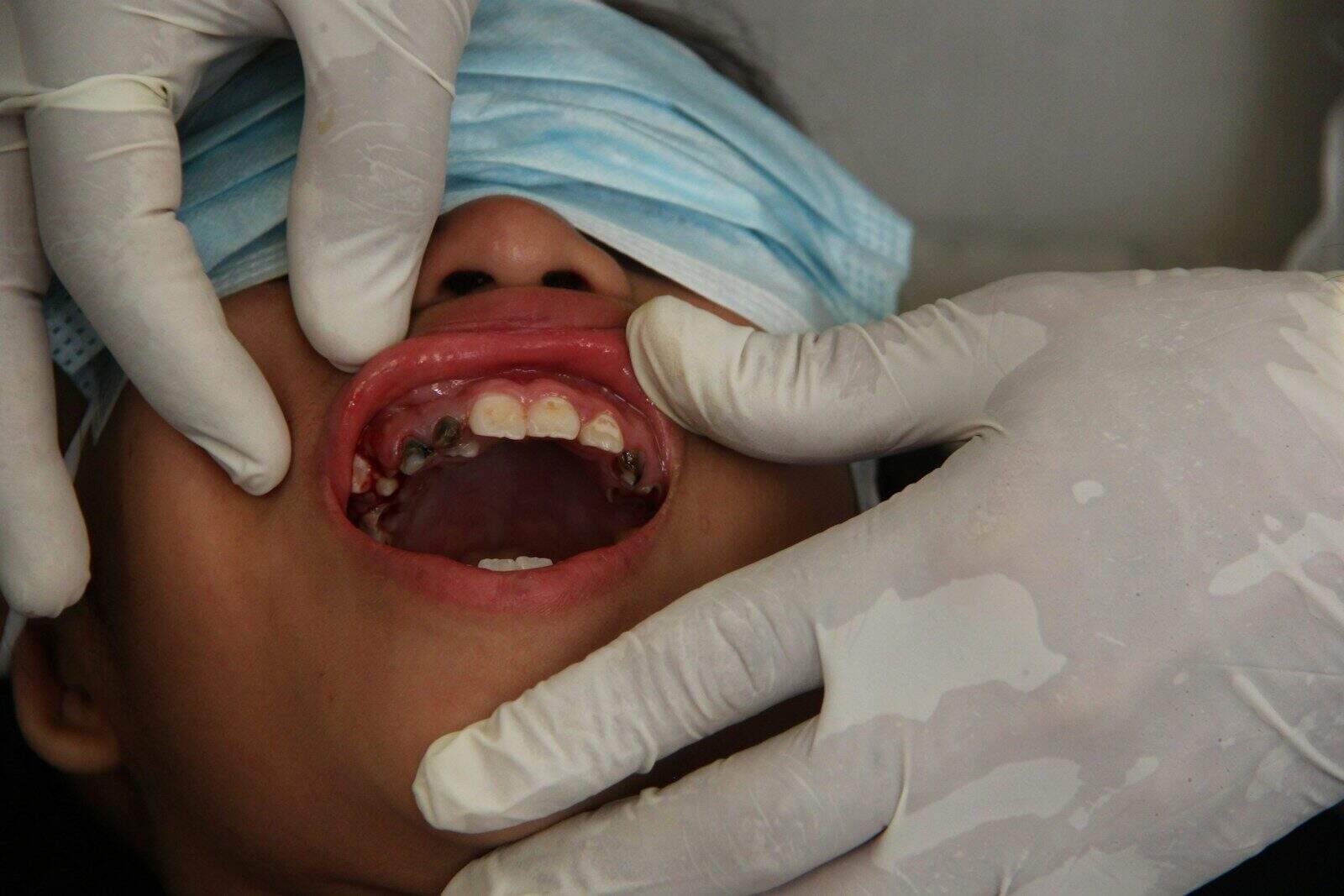
Gum disease is far more than just a minor dental annoyance that you put up with until your next examination. Behind bleeding gums and bad breath lies a serious health threat that could quietly undermine your overall well-being. In this article, we’ll dive deep into the question: Can gum disease kill you? You’ll discover not only the science, but real‑world risks, solutions, and how to protect your body from a danger most people overlook. Additionally, we will explore how and why the question of whether Can gum disease kill you? is critical for your oral health.
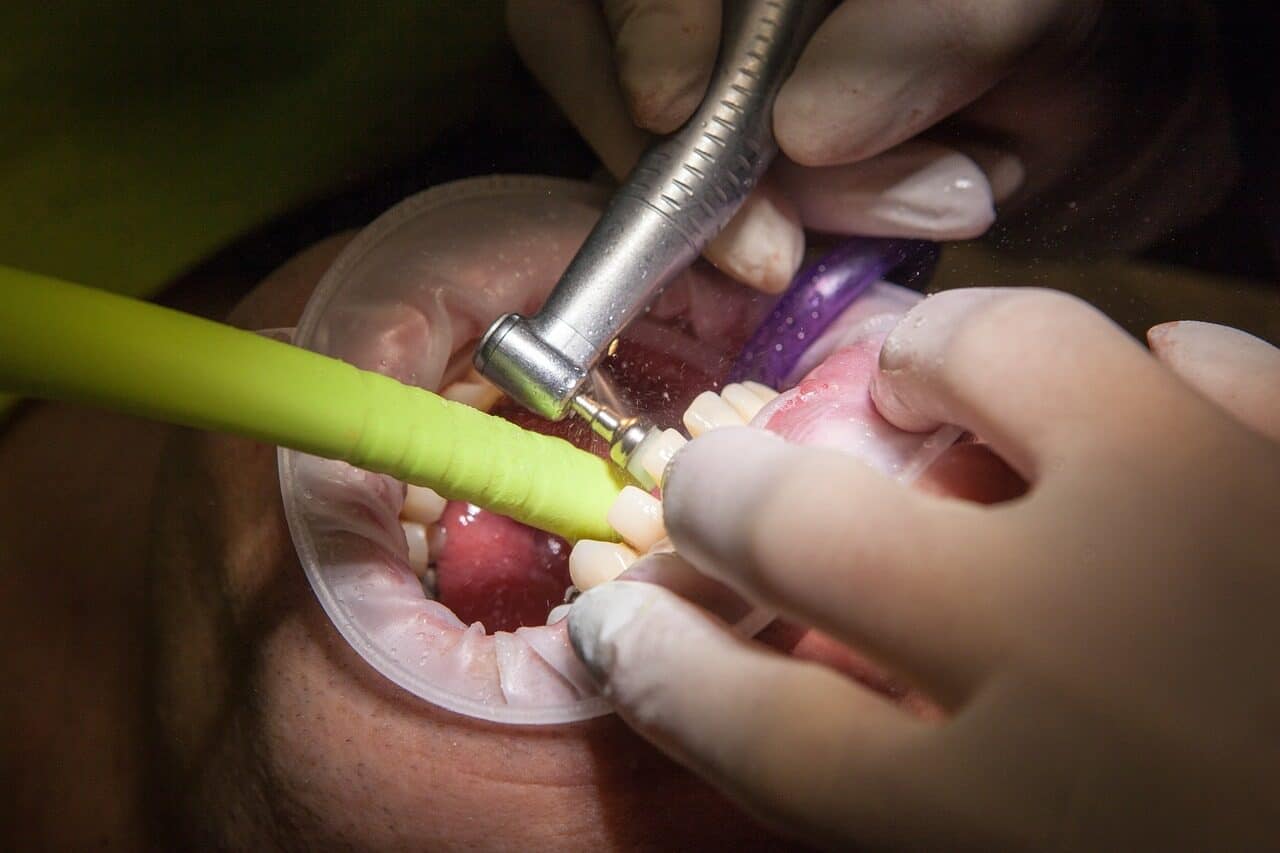
What Is Gum Disease? Understanding the Basics
When most people hear “gum disease,” they imagine a bit of redness or bleeding while brushing their teeth. What they don’t realize is that gum disease exists on a spectrum—from the early, reversible stage called gingivitis, right through to periodontitis, which can permanently damage tissue, bone, and multiply health risks.
It’s essential to understand that many people wonder, can gum disease kill you? The answer isn’t straightforward, but the risk of severe health issues is real.
Gum disease starts when:
- A sticky layer of germs called plaque builds up on your teeth.
- Bacteria produce toxins that irritate your gums.
- Your immune system triggers inflammation to fight the infection.
Inflammation that stays active for weeks, months or years is a major problem. It’s not just about your mouth—it affects your whole body.
In simple terms:
-
- Healthy gums hug your tooth firmly.
- Gingivitis makes gums red, swollen, and prone to bleeding.
- Periodontitis destroys gum fibres and bone, allowing pockets of bacteria to thrive.
When dealing with gum disease, always consider if it could lead you to ask, can gum disease kill you? It’s a question worth considering for your health.
It might not feel dramatic at first, but beneath the surface, your body is mounting a fight it didn’t sign up for.
How Common Is Gum Disease? The Full Picture
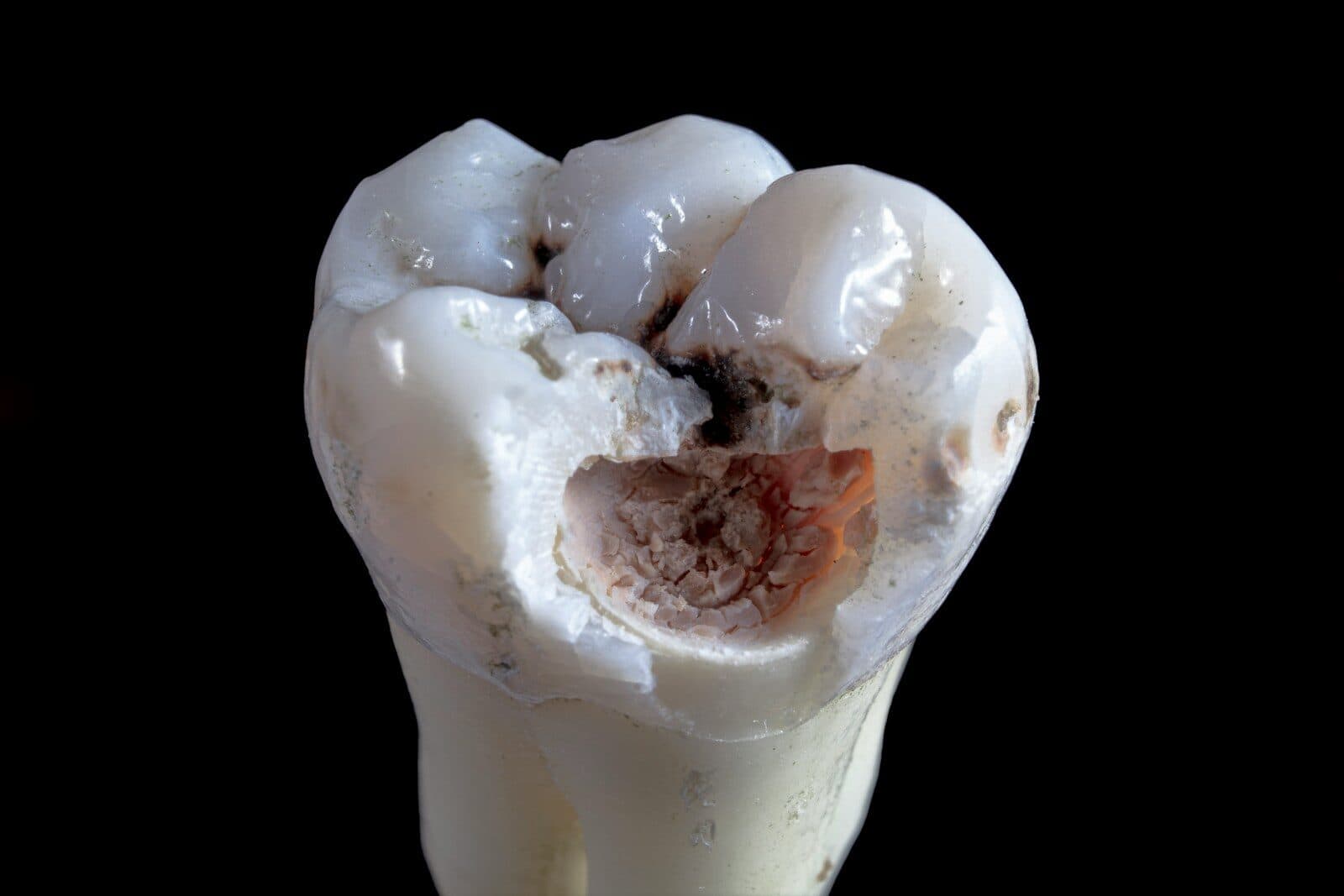
You’re far from alone if you have gum disease. Estimates suggest that nearly half of all adults in the UK show signs of periodontal disease. And globally? The numbers climb even higher.
Older adults face a higher prevalence because periodontal damage accumulates over time, yet even younger adults commonly display early gum disease without even realising it.
Prevalence by Age Group (Illustrative)
Age Group Estimated Prevalence
18–34 ~30%
35–44 ~45%
45–64 ~60%
65+ ~70–80%
Because early symptoms are easy to ignore and routine dental check‑ups are skipped, many people don’t discover they have gum disease until serious damage has already occurred.
Symptoms of Gum Disease You Shouldn’t Ignore
You could walk around with gum disease for months without realising it. That’s because early stages don’t always hurt. But there are subtle signs you can’t afford to ignore:
Common Symptoms
- Bleeding when flossing or brushing
- Chronic foul breath
- Red, swollen, and sensitive gums
- Gum line receding
- Teeth that move or feel loose over time
- discomfort when eating
There are also less obvious clues:
- You suddenly dislike certain textures because your gums feel sensitive
- Your toothbrush always ends up pink
- You notice small pockets between your teeth and gums
These could be waving red flags at you. I’ve spoken to people who ignored early signs for years, brushing them off as “normal,” only to discover they had advanced periodontitis when a dentist pointed it out.
The lesson? Don’t wait for pain. Pain often means advanced disease.
The Health Risks of Untreated Gum Disease
While the direct answer is rarely affirmative, it’s essential to ponder the implications of can gum disease kill you? on your overall health and lifestyle choices.
Here’s where things get serious. Periodontal disease doesn’t just stay localised. It spills its effects into the bloodstream, affecting multiple systems throughout your body.
1. Heart Disease and Stroke
Research supports the link between gum disease and cardiovascular issues. Chronic inflammation from gum infection seems to promote arterial plaque formation. That raises the risk of heart attack and stroke.
Imagine bacteria from your mouth slipping into your bloodstream and sticking to fatty deposits in your arteries—this makes those plaques tougher and more dangerous.
2. Diabetes Complications
People with diabetes often struggle to manage their blood sugar. Gum disease makes blood sugar harder to control, creating a vicious cycle where each condition worsens the other.
3. Respiratory Problems
Bacteria inhaled from infected gums can travel down into the lungs, leading to infections such as pneumonia—especially in older adults or people with weakened immune systems.
4. Pregnancy Risks
Expectant mothers with periodontal disease face increased chances of premature birth and low birth weight babies. Inflammation and bacteria are again the usual culprits.
5. Kidney Disease
Emerging research hints at links between periodontal inflammation and chronic kidney disease, possibly due to the body’s prolonged inflammatory response.
Gum disease quietly fuels inflammation throughout the body. It’s not just a dental problem—it’s a systemic health threat.
Can Gum Disease Be Fatal? The Science Explained
Addressing this question, can gum disease kill you? is vital to understanding the broader health risks associated with poor oral hygiene.
Many people ask, “Can gum disease kill you?” The blunt answer is: directly, rarely—but indirectly, absolutely yes.
Here’s why:
When bacteria invade your gums in advanced gum disease, they enter the bloodstream and trigger a systemic inflammatory response. That inflammation doesn’t stay confined to your jaw—it circulates, stressing your heart, lungs, kidneys, and more.
A few mechanisms scientists believe contribute to heightened mortality risk include:
- Bacterial invasion of blood vessels, weakening arterial walls
- Chronic inflammation, which accelerates plaque formation
- Immune system stress reduces your body’s ability to fight other diseases
Severe periodontal infections can quickly deteriorate a person’s health if they already have diabetes, heart disease, or weakened immunity. Rarely, oral septic infections have been linked to potentially fatal illnesses.
In actuality, gum disease spreads covertly. If left untreated, bleeding gums can develop into a major systemic concern.
Risk Factors That Make Gum Disease More Dangerous
While not everyone with gum disease may experience life-threatening complications, there are a few variables that greatly increase the risk:
1. Smoking and Tobacco Use
Hence, for anyone dealing with this issue, the question remains looming: can gum disease kill you? Seeking help early can alter this outcome.
Smoking weakens immunity and reduces blood flow to the gums, making it harder to fend against infections. Smokers often harbour deeper, more aggressive gum disease.
2. Age
Natural wear and immune changes over time make older adults more vulnerable.
3. Systemic Conditions
Diabetes, cardiovascular disease and autoimmune disorders — these all interact with gum disease in harmful ways.
4. Poor Nutrition
A diet low in vitamins and high in sugar can feed harmful bacteria and weaken immune defences.
5. Stress and Sleep Deprivation
Both causes weaken immunity, which makes chronic inflammation more difficult to manage and healing more difficult.
Here is a brief overview:
Risk Factor Impact on Gum Disease Severity
- Smoking High
- Diabetes High
- Age Moderate–High
- Poor Diet Moderate
- Stress Moderate
Prevention and Early Intervention: Stop Problems Before They Start
Ultimately, recognizing the risks and asking yourself, can gum disease kill you? may save your life.
The most empowering part? You can protect yourself. And you don’t have to overhaul your life to do it radically.
Daily Oral Care
- Brush twice daily with fluoride toothpaste
- Floss at least once daily to disrupt hidden bacteria
- Use an antibacterial mouthwash if recommended by your dentist
Diet and Lifestyle
- Cut back on added sugars
- Eat plenty of fresh vegetables, lean proteins, and whole grains
- Avoid smoking and limit alcohol
- Stay hydrated
Vitamins C and D are important for immune system resilience and gum health.
Professional Care
Regular dental check‑ups are non‑negotiable. A dentist can spot early signs you wouldn’t notice—like pocket depth increases or bone loss.
If early gum disease is detected:
- Your dentist may recommend scaling and root planing—
- a deep cleaning that removes hardened tartar below the gumline.
- They may also suggest targeted antibiotic treatments to curb infection.
Pro tip: Getting into the habit of dental visits before symptoms appear makes everything easier later on.
Treatment Options for Advanced Gum Disease
When gum disease reaches periodontitis, lifestyle changes alone aren’t enough. You need professional intervention.
Deep Cleaning (Scaling & Root Planing)
This non-surgical technique removes plaque and tartar from deep around the tooth roots. It is often the first line of defense.
Surgical Options
- Flap surgery: Lifting the gums to clean deep areas
- Bone and tissue grafts: Rebuilding structures lost to infection
Laser Therapy
In order to minimize discomfort and recuperation time, some dentists employ lasers to precisely target sick tissue.
Here’s how treatment options compare:
Treatment Pros Cons
Scaling & Root Planing, Effective early intervention, Multiple appointments
Flap Surgery Access to deep pockets Invasive, costlier
Laser Therapy Quick healing, not available everywhere
Each case is unique—your dentist will tailor the plan.
👉👉CLICK HERE TO LEARN MORE ON HOW TO GIVE YOUR GUMS DAILY PROTECTION
When to Seek Urgent Medical Help
If you experience any of these signs, don’t wait:
- Severe gum pain or swelling
- Fever alongside gum symptoms
- Rapid gum recession or loose teeth
- Signs of systemic infection (chills, aching muscles, confusion)
Your gums can be the first clue that something deeper is wrong.
Key Takeaways: Protecting Your Oral and Overall Health
Gum disease isn’t just an inconvenient dental condition—it’s a gateway to systemic inflammation and health complications that could shorten your life if left untreated.
What You Must Remember
- Gum disease starts quietly but can escalate without warning.
- Early detection and daily care are your strongest defences.
- Untreated gum disease contributes to heart problems, diabetes complications, pregnancy issues, respiratory illness, and more.
- Severe periodontal disease can indirectly increase mortality risk—especially in vulnerable populations.
Your mouth isn’t separate from your body. Taking care of your gums is an investment in your longevity.
👉👉CLICK HERE TO LEARN MORE ON HOW TO GIVE YOUR GUMS DAILY PROTECTION
FAQs
This leads us to the crucial inquiry: can gum disease kill you? To ensure your health, be proactive in your dental care.
Q1: Can gum disease kill you?
Although gum disease is seldom the primary cause, untreated gum disease can result in life-threatening infections owing to bacterial spread and prolonged inflammation.
Q2: How quickly can gum disease become serious?
It varies, but without care, mild gum disease can worsen over months or years.
Q3: Can I reverse early gum disease?
Indeed, gingivitis may be cured with the right brushing, flossing, and medical attention.
Q4: Is gum disease linked to other illnesses?
Yes—especially heart disease, diabetes complications, and respiratory issues.
👉👉CLICK HERE TO LEARN MORE ON HOW TO GIVE YOUR GUMS DAILY PROTECTION
In conclusion, consider the ultimate question: can gum disease kill you? Taking charge of your oral health is taking charge of your overall health.